
Bernard Kerik, 1955-2025: The Commissioner Who Never Stopped Being a Martial Artist
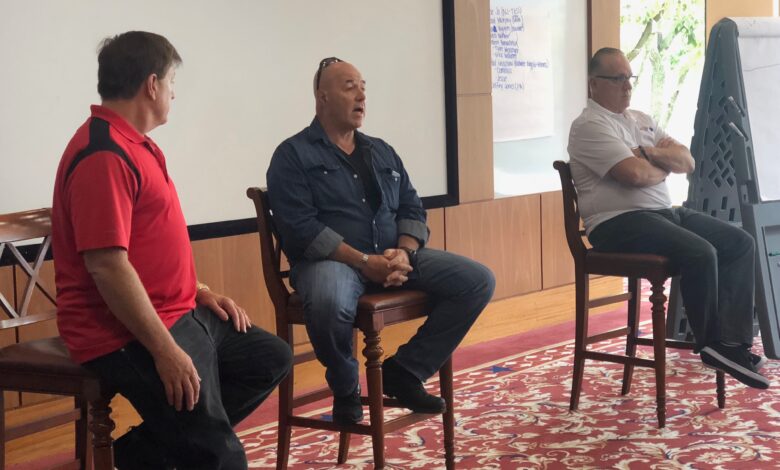
The obituaries led with 9/11, with Rikers Island, with Baghdad, and with a federal prison sentence. Almost none of them mentioned that Bernard Kerik was a martial artist first, and never stopped being one. He began training as a teenage soldier in South Korea, taught defensive tactics to Special Forces at Fort Bragg, and spent the last twenty years of his life standing in front of rooms full of martial arts school owners telling them what leadership actually costs. He died on 29 May 2025 in New York City, aged 69.
Disclosure. This is not a neutral obituary and should not be read as one. Stephen Oliver, the publisher of this magazine, and Grand Master Jeff Smith were close friends of Bernard Kerik for more than twenty years, promoted him to fifth and later sixth degree black belt, and hosted him repeatedly as a guest speaker at Martial Arts Wealth Mastery events and Mile High Karate retreats. Several of the photographs here are from those events and from his sixty-fifth birthday party. Where this article relies on their first-hand account rather than the public record, it says so.
- Full name
- Bernard Bailey Kerik
- Born
- 4 September 1955, Newark, New Jersey
- Died
- 29 May 2025, New York City, aged 69
- Military service
- U.S. Army, 1974–1977; Military Police Corps, South Korea and Fort Bragg, North Carolina
- Public office
- Commissioner, New York City Department of Correction, 1998–2000; Police Commissioner of the City of New York, 21 August 2000 – 31 December 2001; acting Interior Minister of Iraq, May–September 2003
- Martial arts
- Korean and Japanese karate. Promoted to fifth and sixth degree black belt by Stephen Oliver and Jeff Smith; his own published biography described him as a seventh degree master instructor
- Books
- The Lost Son: A Life in Pursuit of Justice (2001); From Jailer to Jailed (2015)
Korea, 1974
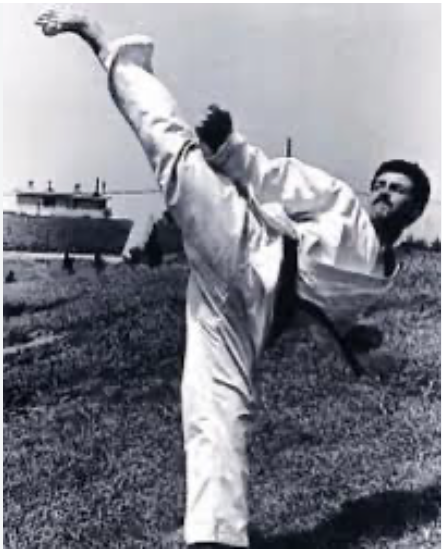
The beginning of the story is the part almost nobody tells.
Kerik was born in Newark in 1955, abandoned by his mother at three, and was nine when she was murdered. He dropped out of high school. In 1974, at eighteen, he volunteered for the U.S. Army and earned his GED in uniform.
He served in the Military Police Corps in South Korea. That posting is where the martial arts began, in the country where the art he would carry for the rest of his life was made, at the age when a young man is most susceptible to being handed a structure he did not previously have.
Anyone who has taught for a living recognises the shape of this. A kid with no floor under him walks into a training hall and finds one. What separates Kerik from the thousands of others it happened to is that he then spent five decades building on it.
Back in the United States at Fort Bragg, he taught defensive tactics at the John F. Kennedy Unconventional Warfare Center to U.S. Special Forces and special operations personnel. He was, in other words, a professional instructor before he was ever a police officer.
New York, and the Japanese side of the house
Kerik’s own biography described him as studying both Korean and Japanese karate, and by Stephen Oliver’s account the Japanese side came through Peter Urban in New York — the founder of American Goju-ryu, one of the most consequential and most argued-about figures in the history of karate in the United States.
We have not found independent documentation of that training and present it as it was given to us, on the word of a man who knew him for two decades. It is entirely consistent with the geography and the era: Urban’s New York dojo was where a great many working New Yorkers of Kerik’s generation trained.
His own published biography also records induction into the Centurion Black Belt Hall of Fame, the Joe Lewis Eternal Warrior Award, and induction into the World Tae Kwon Do Hall of Fame in 2019. Those are his own listings and we report them as such.
The rank, and who gave it
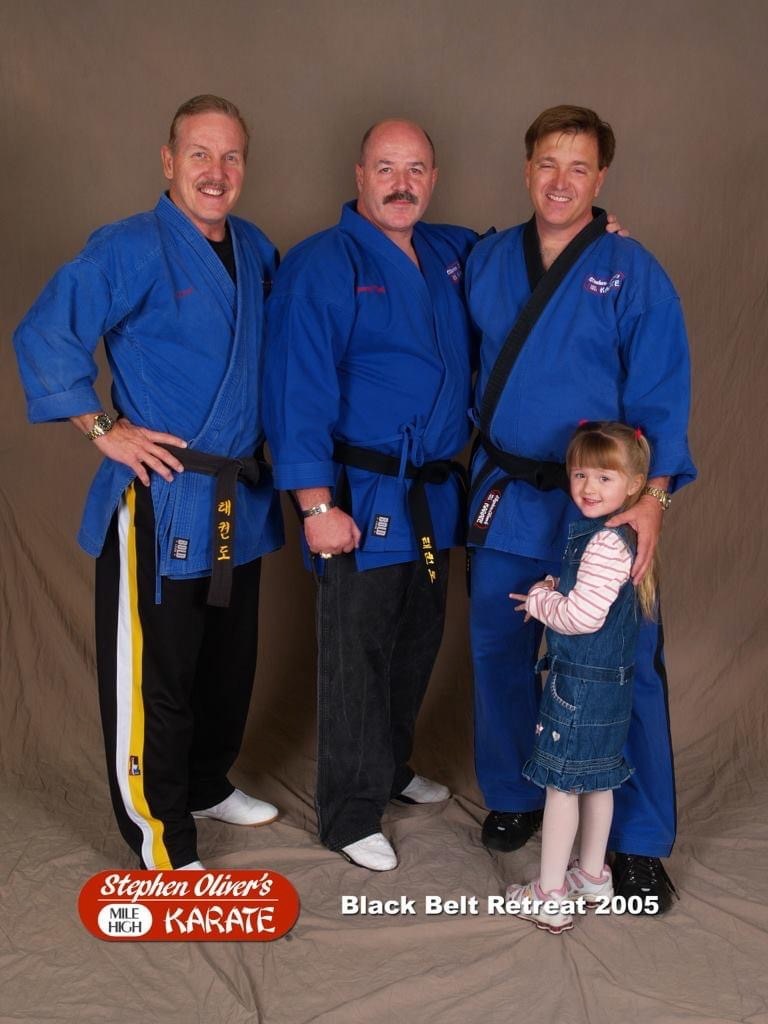
Stephen Oliver and Jeff Smith met Kerik at the Battle of Atlanta in 2002 — Joe Corley’s tournament, and for decades one of the few places where the whole of American martial arts ended up in the same building. The friendship ran from that meeting until Kerik’s death.
They promoted him to fifth degree black belt, and later to sixth degree.
There is a discrepancy here worth stating rather than hiding, because this magazine has spent the past year arguing that ranks should be reported precisely. His own biography described him as a seventh degree master instructor. That is not necessarily a contradiction — practitioners who train across Korean and Japanese systems commonly hold rank in more than one, and a later promotion by another body would account for it — but we cannot reconcile the two from the documents available, so we print both.
What is not in doubt is that the rank was not decorative. He trained. He taught. He turned up.
Twenty years of turning up
For a man with his résumé, the speaking circuit available to him was considerably more lucrative than a room of martial arts school owners. He kept coming to the school owners anyway.
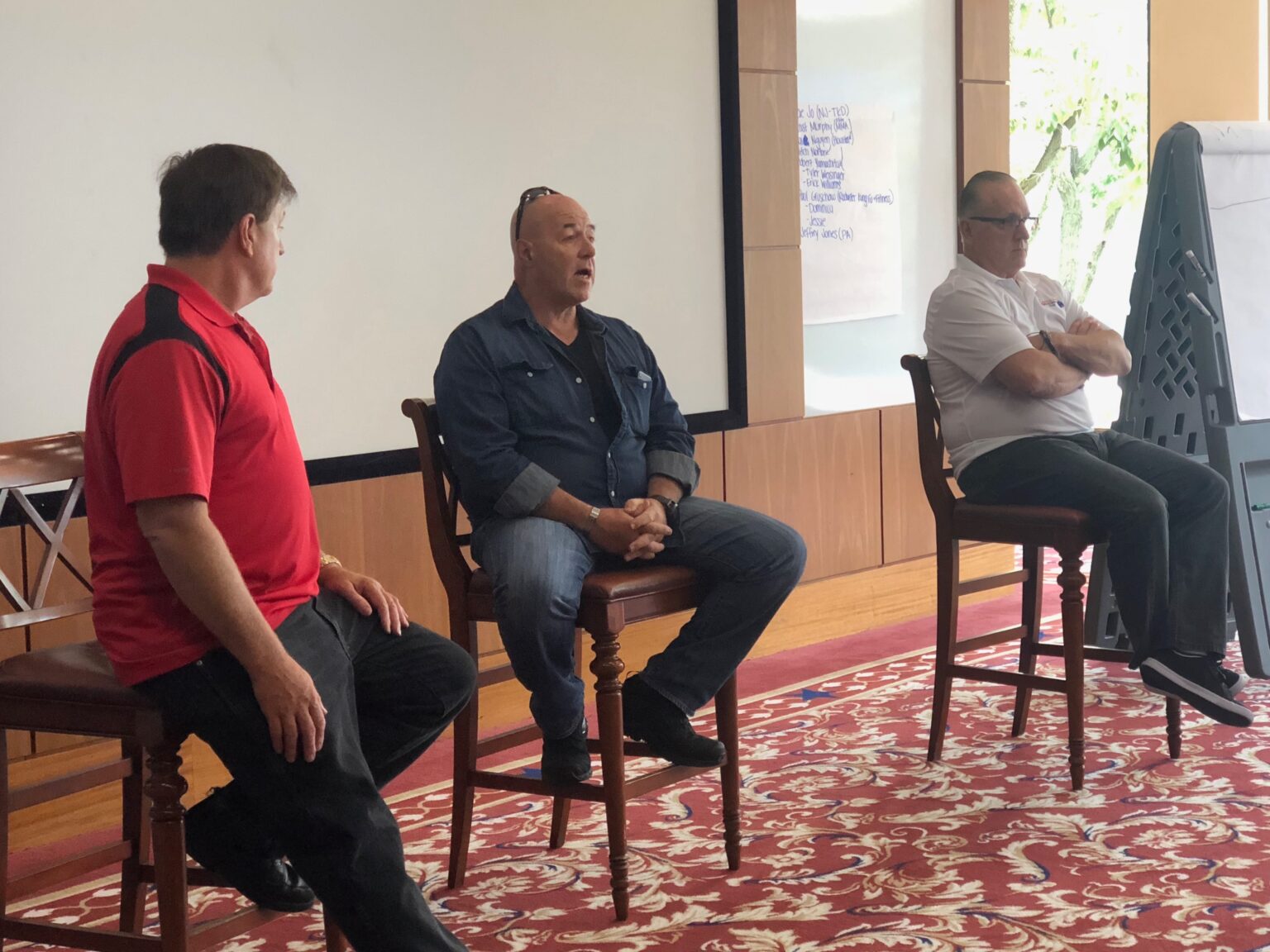
He spoke at Martial Arts Wealth Mastery events twice at the United States Military Academy at West Point, at meetings in Clearwater, Florida and Sterling, Virginia, and took part in multiple Mile High Karate Black Belt Retreats across two decades.
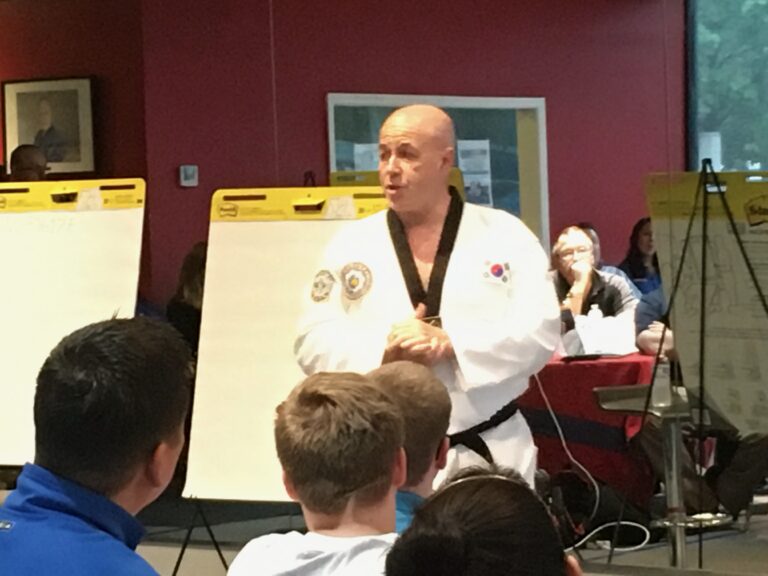

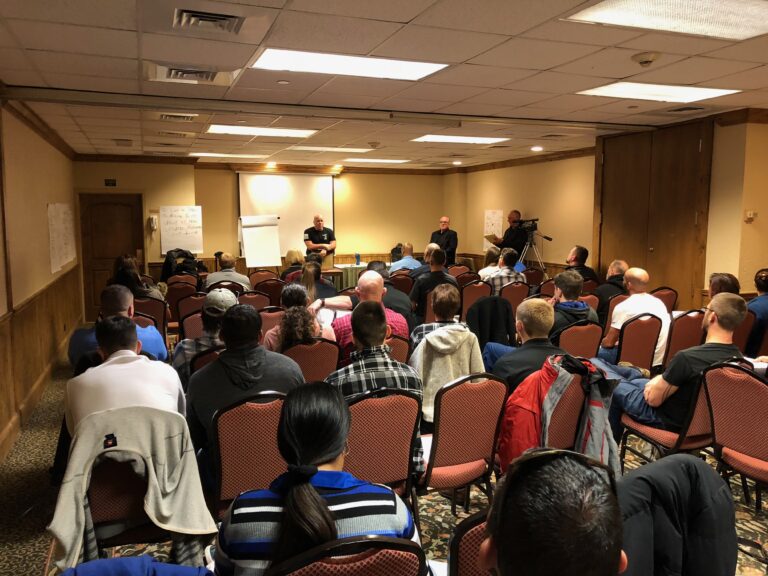
What he brought to those rooms was not a war story. It was the unglamorous mechanics of command: how you make a decision with incomplete information, how you hold people to a standard without losing them, what it feels like to be responsible for the safety of people who report to you. A school owner with fourteen staff and two hundred children on the mat has a smaller version of that same problem, and Kerik took it seriously as a problem.
The West Point sessions are the ones the members still talk about. Below is video from his participation in the member leadership event there.
The public career
The record most readers already know: Kerik joined the NYPD in 1986, ran New York City’s jail system as Commissioner of Correction from 1998, and was appointed Police Commissioner of the City of New York by Mayor Rudy Giuliani on 21 August 2000.
He held that office on 11 September 2001, and it is the reason his name is permanent. He served until the end of that year, went to Iraq in 2003 as acting Interior Minister to help rebuild the country’s police force, and in December 2004 was nominated to lead the U.S. Department of Homeland Security, withdrawing a week later.
The conviction, and the pardon
This magazine reports convictions and final judgments rather than allegations, and it does not omit them when the subject is a friend.
On 5 November 2009 Kerik pleaded guilty to eight federal felony charges — two counts of tax fraud, one of making a false statement on a loan application, and five of making false statements. He was sentenced to forty-eight months, surrendered on 17 May 2010, and was discharged on 15 October 2013. He wrote about the experience in From Jailer to Jailed and spent his later years arguing for changes to the prison system he had once run and then lived inside.
On 18 February 2020 he received a presidential pardon.
Those are the facts, and they are part of the man. Readers can weigh them as they see fit.
What a school owner should take from Bernard Kerik
Two things, and they pull in different directions, which is why they are worth holding together.
The first is what the training did. A nine-year-old whose mother was murdered, a high-school dropout, an eighteen-year-old private in Korea — and a dojang. Every school owner reading this has a version of that child on the mat right now and does not know which one. The argument for what we do does not rest on the ones who become police commissioners. It rests on the fact that the structure is there when a kid needs it.
The second is that the training is not a guarantee. Rank does not inoculate anybody against bad judgement, and it is dishonest to pretend otherwise. The discipline that gets a man from Newark to One Police Plaza did not keep him out of a federal courtroom. Martial arts teaches character; it does not install it permanently, and any school that sells it as a vaccine is overselling.
Both of those are true about the same person. That is usually how it goes.
Away from the mat
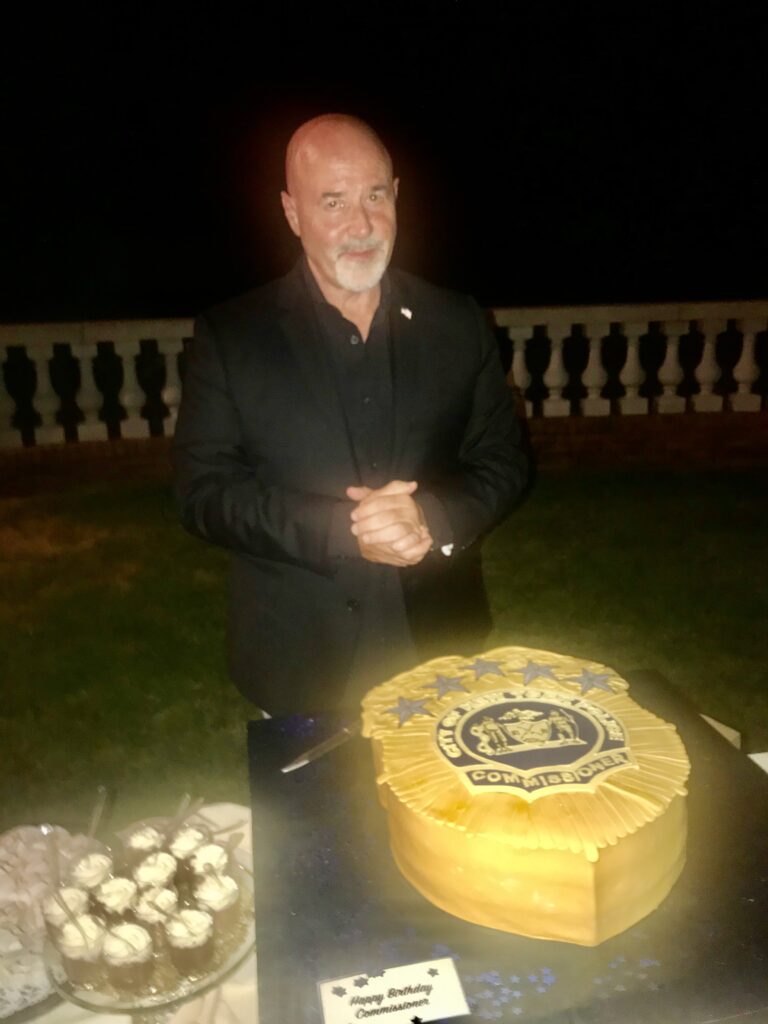
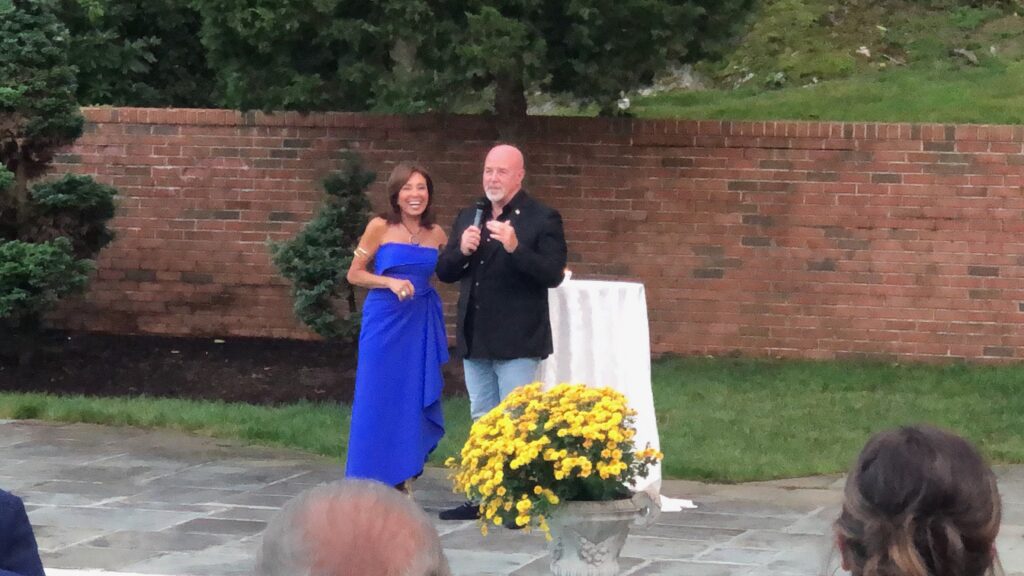
He kept a wide circle and he kept it close. The photographs below are from his sixty-fifth birthday party in September 2020, held at the home of Jeanine Pirro.

Survivors
Kerik was married three times and had four children. He is survived by his wife, Hala, whom he married in 1998, and by his children. The New York City Police Department confirmed his death; the cause was described publicly as a private battle with illness, and published reports cited a cardiac condition. The family has not released further detail and none is reported here.
Sources, and what we could not confirm
Primary sources: contemporaneous national reporting of his death on 29 and 30 May 2025, including NPR, CBS New York, NBC New York and Fox News, and the New York City Police Department’s own confirmation; the public record of his federal case for the plea date, the counts, the sentence, the surrender and discharge dates and the pardon date; and his own published biography at bernardkerik.com for his martial arts training, his teaching of defensive tactics at the John F. Kennedy Unconventional Warfare Center, and his hall of fame inductions.
Self-reported and labelled as such. The seventh degree master instructor description, the Centurion Black Belt Hall of Fame induction, the Joe Lewis Eternal Warrior Award and the 2019 World Tae Kwon Do Hall of Fame induction all come from his own biography. We have not verified them against the awarding bodies and do not present them as independently established.
Rank conflict, printed not resolved. Stephen Oliver and Jeff Smith promoted Kerik to fifth and then sixth degree black belt. His own biography described him as a seventh degree. Holding rank in more than one system is ordinary and would explain it, but we cannot document the reconciliation and have therefore printed both figures rather than picking one.
Not independently documented. That Kerik trained under Peter Urban in New York, and that the friendship began at the Battle of Atlanta in 2002, rest on Stephen Oliver’s first-hand account. Both are plausible and consistent with the period, and neither is confirmed by a document we could locate.
Date of death. Some outlets reported the death on 30 May 2025, which is the announcement date. The date of death was 29 May 2025.
Cause of death was not released in detail by the family. We have reported only what was said publicly.
Photographs are from the publisher’s own collection, taken at Martial Arts Wealth Mastery and Mile High Karate events and at Kerik’s sixty-fifth birthday party, held at the home of Jeanine Pirro in September 2020. Subjects are identified as supplied. Photographers are not established; we are glad to add a credit or remove an image on request.
Corrections. See our editorial policy. If you trained with Bernard Kerik and can add to or correct this record, we want to hear from you.