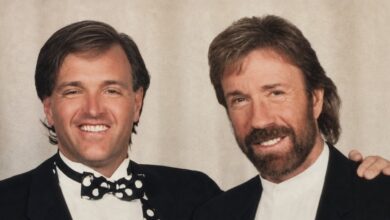


Listen to a Great Interview with Jhoon Rhee, Martial Arts Grandmaster and Living Legend, and Learn Many Valuable Lessons from his Life and Achievements, Part 2

Grandmaster Jhoon Rhee was called a belt factory by his competitors while his schools were producing world-ranked kickboxers, world forms champions and a generation of industry leaders. The reason was resources: paid, full-time professional instructors, hired experts and promotion that never stopped. These four lessons are the part of his career a school owner can copy directly.
Key Takeaways
- Jhoon Rhee’s schools had a very high graduation rate to Black Belt for the era, and those Black Belts were rigorously screened for grades and behavior as well as physical mastery.
- The organization grew across seven, nine and then 12 schools, with two full-time instructors per location able to make good livings in the 1970’s.
- Stephen Oliver was earning a $30,000 base plus commissions of roughly 10% of gross while a full-time student at Georgetown University in 1980.
- Rhee hired experts constantly, including a full-time PR man and Sugar Ray Leonard’s publicist, and pulled Nick Cokinos out of the dance industry.
- Promotion never stopped: a huge demo on the Washington Mall every 4th of July, classes taught to the FBI, schools, police officers and Congressmen.
- He convinced Muhammad Ali to mention his name in front of 50 million TV viewers and to join him in front of millions of fans during their tour of Korea.
About This Interview
 In the July and August NAPMA Resources Kits, all NAPMA members received parts 1 and 2 of an interview by Rob Colasanti with my instructor Jhoon Rhee. Jeff Smith and I have been associated with Jhoon Rhee for 45 and coming up on 40 years, respectively.
If you are not a NAPMA member, then you can receive this complete interview, the transcript and a bundle of other great interviews with martial arts legends and masters and business gurus at napmafreeoffer.com.
This month’s column includes the four additional lessons you’ll learn when you listen to the Jhoon Rhee interview.
Lesson 4: The Resources to Produce High Quality Students
Lesson 4: Having the resources to produce incredibly high quality students. At the same time that Grand Master Rhee’s school had a huge percentage of the world ranked kick-boxers on staff and the current and future World Forms Champions (John Chung and then Charlie Lee), other Washington, D.C. areas schools called Jhoon Rhee a “Belt Factory.” In reality, Jhoon Rhee’s schools had a very high (for the era) graduation rate to Black Belt. The Black Belts were rigorously screened. Not only were children required to have physical mastery, but also good grades and behavior. The quality of the students across seven, nine and then 12 schools was incredibly HIGH. Far from “Selling Out,” the Jhoon Rhee schools produced many of today’s industry leaders. That would have been impossible unless two full-time instructors per location were able to make good livings (in the 1970’s) by running a martial arts school. (I was making a $30,000 base plus commissions, equaling approximately 10% of the gross, while a full-time student at Georgetown University in 1980.)
Lesson 5: Relentlessly Seeking Experts
Lesson 5: Jhoon Rhee relentlessly sought experts to help him grow his business. In the pre-NAPMA days, he sought publicity experts (hiring a full-time PR guy AND Sugar Ray Leonard’s publicist). He pulled Nick Cokinos from the dance industry and relentlessly looked for experts in sales, marketing, teaching, management and even franchising to help him grow his organization.
Lesson 6: Relentless Promotions
Lesson 6: Relentless Promotions. As a staff member of Jhoon Rhee’s organization (and a full-time college student), I was annoyed by the constant parade of promotions: A HUGE demo at the 4th of July celebration on the Washington Mall each year; classes taught to the FBI; presentations at elementary schools, high schools and colleges; and a parade of classes taught to everyone from local police officers to Congressmen. Jhoon Rhee was relentless in finding ways to introduce the public to Tae Kwon Do (and specifically to “Jhoon Rhee Karate”). It was a total, never-ending quest to fill the schools and, therefore, improve the gross and staff salaries and “spin-off” resources for other purposes. He discusses Muhammad Ali as being a very good promoter – and Jhoon Rhee learned from him and many others how to promote himself. By the way, Grand Master Rhee was able to convince Muhammad Ali to mention his name in front of 50 million TV viewers and join him in front of millions of fans during their tour of Korea.
Lesson 7: Goals Orientation
Lesson 7: Goals Orientation. Jeff Smith and I were talking with Grand Master Rhee during a late night (12 midnight his time!). He reminded me, “When you were 10 years old, you told me you would go to Denver and open Jhoon Rhee Karate schools.” It’s interesting that he remembers and was impressed. Truth is that when I was 10, I said I wanted to open Jhoon Rhee schools. I was about 18 when the idea of doing it in Denver bubbled to the surface. However, the fact that he remembers shows how rarely we set serious goals and follow through. To be successful, you first must make a decision; you can call it setting a target or being goal oriented. You must decide that there will be no excuses and you will make it happen.
What You Should Take From the Interview
What should you take from the interview with Jhoon Rhee? At the least, you should know that it’s okay to make money and grow your school. You should also know that commercialism does not imply “selling out” and that the more resources you have the better you can make your students. Next, you need to spare no expense in associating with a quality mastermind team and in developing knowledge (and hiring experts) to shorten your own learning curve. Finally, you need to be tireless in promoting your school and make sure that you have the tools and resources to do that effectively.
Frequently Asked Questions
Does running a commercial school mean lowering your black belt standards?
Not in Jhoon Rhee’s schools. Competitors called them a belt factory, but the graduation rate to Black Belt was high for the era because the students were rigorously screened, with children required to show good grades and behavior as well as physical mastery.
How could Jhoon Rhee afford such high quality instruction?
Because two full-time instructors per location were able to make good livings running a martial arts school in the 1970’s. Without that revenue, keeping world-ranked kickboxers and world forms champions on staff would have been impossible.
What kind of experts should a school owner hire?
Jhoon Rhee hired publicity experts, including a full-time PR man and Sugar Ray Leonard’s publicist, and looked constantly for experts in sales, marketing, teaching, management and franchising. He also recruited Nick Cokinos out of the dance industry.
What did relentless promotion actually look like?
A huge demonstration at the 4th of July celebration on the Washington Mall each year, classes taught to the FBI, presentations at elementary schools, high schools and colleges, and classes for everyone from local police officers to Congressmen. It was a never-ending quest to fill the schools and improve the gross and staff salaries.
What is the first step to being goal oriented as a school owner?
You have to make a decision, whether you call it setting a target or being goal oriented. From there you decide that there will be no excuses and that you will make it happen.
- Listen to a Great Interview with Jhoon Rhee, Martial Arts Grandmaster and Living Legend, and Learn Many Valuable Lessons from his Life and Achievements, Part 1
- Jay Abraham: Exclusive Interview for the Martial Arts
- Are you Confused? Who is Stephen Oliver and Why Should I Listen To Him???
- Andrew Wood: A Legend in His Own Mind!